Investment Advice: A Comprehensive Guide to Building Wealth
What is Investment Advice?
Investment advice is guidance provided by financial professionals to help individuals make informed decisions about how to grow and manage their money. This advice can come in many forms, including recommendations on specific investments, asset allocation strategies, retirement planning, and risk management. The goal of investment advice is to help individuals achieve their financial goals and build wealth over time.
How Does Investment Advice Work?
When seeking investment advice, individuals typically work with a financial advisor or planner who has expertise in wealth management and financial planning. The advisor will assess the client’s financial situation, goals, and risk tolerance to develop a personalized investment strategy. This strategy may include a mix of stocks, bonds, mutual funds, real estate, and other investment vehicles tailored to the client’s needs.
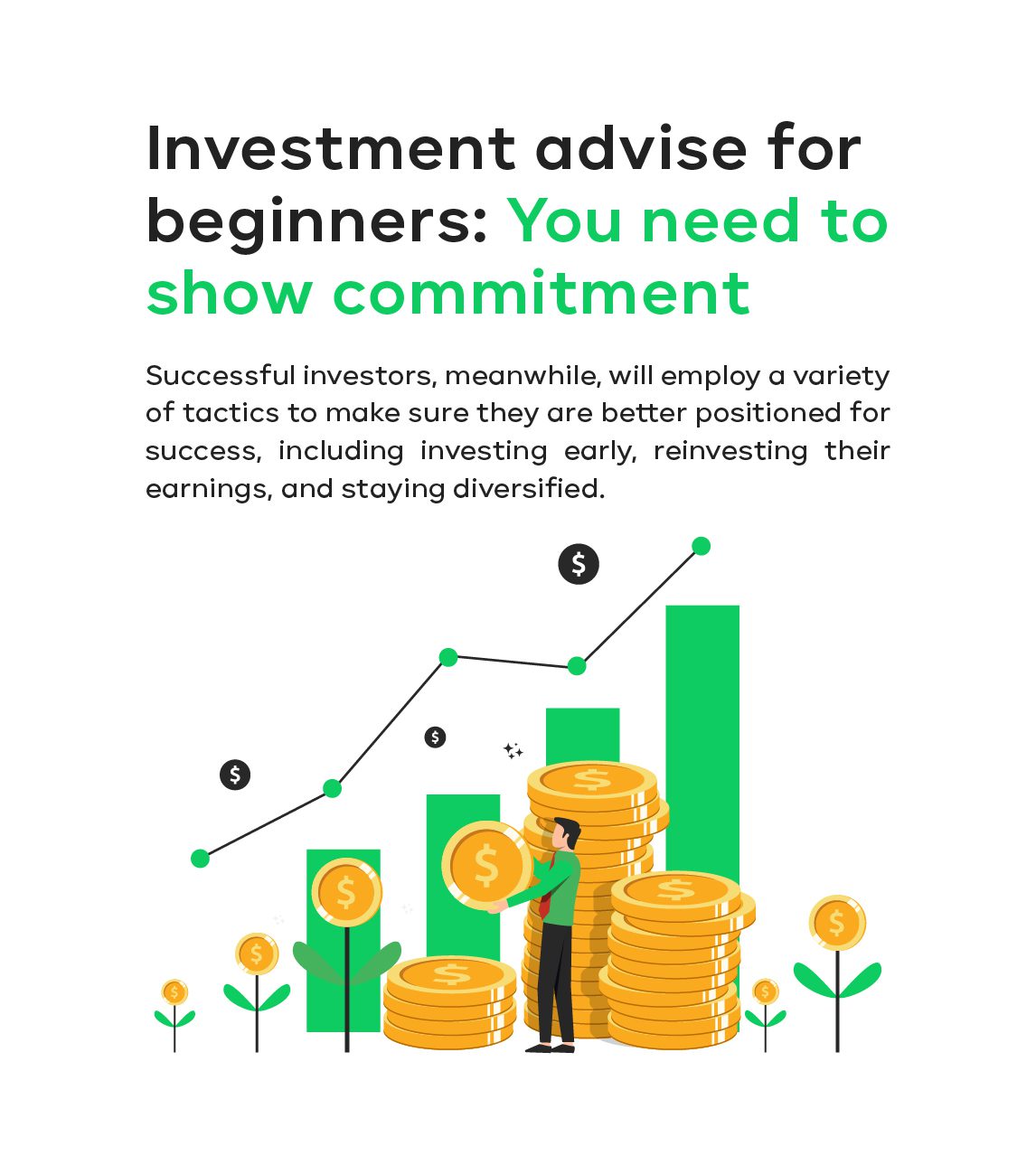
Image Source: smushcdn.com
Investment advice is not one-size-fits-all, as each individual’s financial situation is unique. It is important to work with a trusted advisor who understands your goals and can help you navigate the complexities of the financial markets.
What is Known About Investment Advice?
Investment advice has been around for centuries, dating back to the early days of financial markets. Throughout history, individuals have sought guidance from financial experts to help them make sound investment decisions and build wealth over time. Today, investment advice is more accessible than ever, with a wide range of financial professionals offering services to individuals of all income levels.
Common Challenges and Solutions in Investment Advice
One common challenge in investment advice is market volatility, which can cause fluctuations in the value of investments. To address this challenge, advisors often recommend diversifying a client’s portfolio to spread out risk and minimize the impact of market downturns. Another challenge is managing emotions, as investors may be tempted to make impulsive decisions based on fear or greed. Advisors can help clients stay disciplined and focused on their long-term financial goals.
Key Information to Consider When Seeking Investment Advice
When seeking investment advice, it is important to consider the advisor’s qualifications, experience, and track record. Look for advisors who are certified financial planners (CFPs) or chartered financial analysts (CFAs) and who have a proven track record of helping clients achieve their financial goals. Additionally, consider the advisor’s fee structure and how they are compensated, as this can impact the quality of advice you receive.
Conclusion
Investment advice is a valuable resource for individuals looking to build wealth and achieve their financial goals. By working with a trusted advisor, you can develop a personalized investment strategy that aligns with your needs and risk tolerance. Remember to stay disciplined, diversify your portfolio, and focus on the long-term when making investment decisions. With the right guidance, you can navigate the complexities of the financial markets and build a secure financial future.
FAQs About Investment Advice
1. What are the benefits of seeking investment advice?
Seeking investment advice can help individuals make informed decisions, build wealth over time, and achieve their financial goals.
2. How do I find a trusted advisor for investment advice?
Look for advisors who are certified financial planners or chartered financial analysts with a proven track record of success.
3. How much does investment advice typically cost?
Advisory fees can vary depending on the advisor and the services provided. Be sure to understand the fee structure before committing to an advisor.
4. What should I expect during an investment advice consultation?
During a consultation, the advisor will assess your financial situation, goals, and risk tolerance to develop a personalized investment strategy.
5. How often should I review my investment strategy with my advisor?
It is recommended to review your investment strategy with your advisor regularly to ensure it remains aligned with your financial goals and risk tolerance.
Investment advice