Debt Relief Programs: Understanding Your Options
What do you mean by Debt Relief Programs?
Debt relief programs are designed to help individuals who are struggling with overwhelming debt. These programs offer various solutions to help individuals reduce or eliminate their debt, and ultimately achieve financial freedom. Debt relief programs can come in many forms, such as debt consolidation, debt settlement, or even bankruptcy. Each program has its own set of requirements and benefits, so it’s important to understand the differences before choosing the right option for your financial situation.
How do Debt Relief Programs work?
Debt relief programs work by negotiating with creditors on behalf of individuals to reduce the total amount of debt owed. This can involve lowering interest rates, waiving fees, or even settling for a lesser amount than what is owed. The goal of these programs is to help individuals pay off their debts in a more manageable way, whether through a structured repayment plan or a lump sum payment. It’s important to note that debt relief programs may have a negative impact on credit scores, so it’s essential to weigh the pros and cons before enrolling in a program.
What is known about Debt Relief Programs?
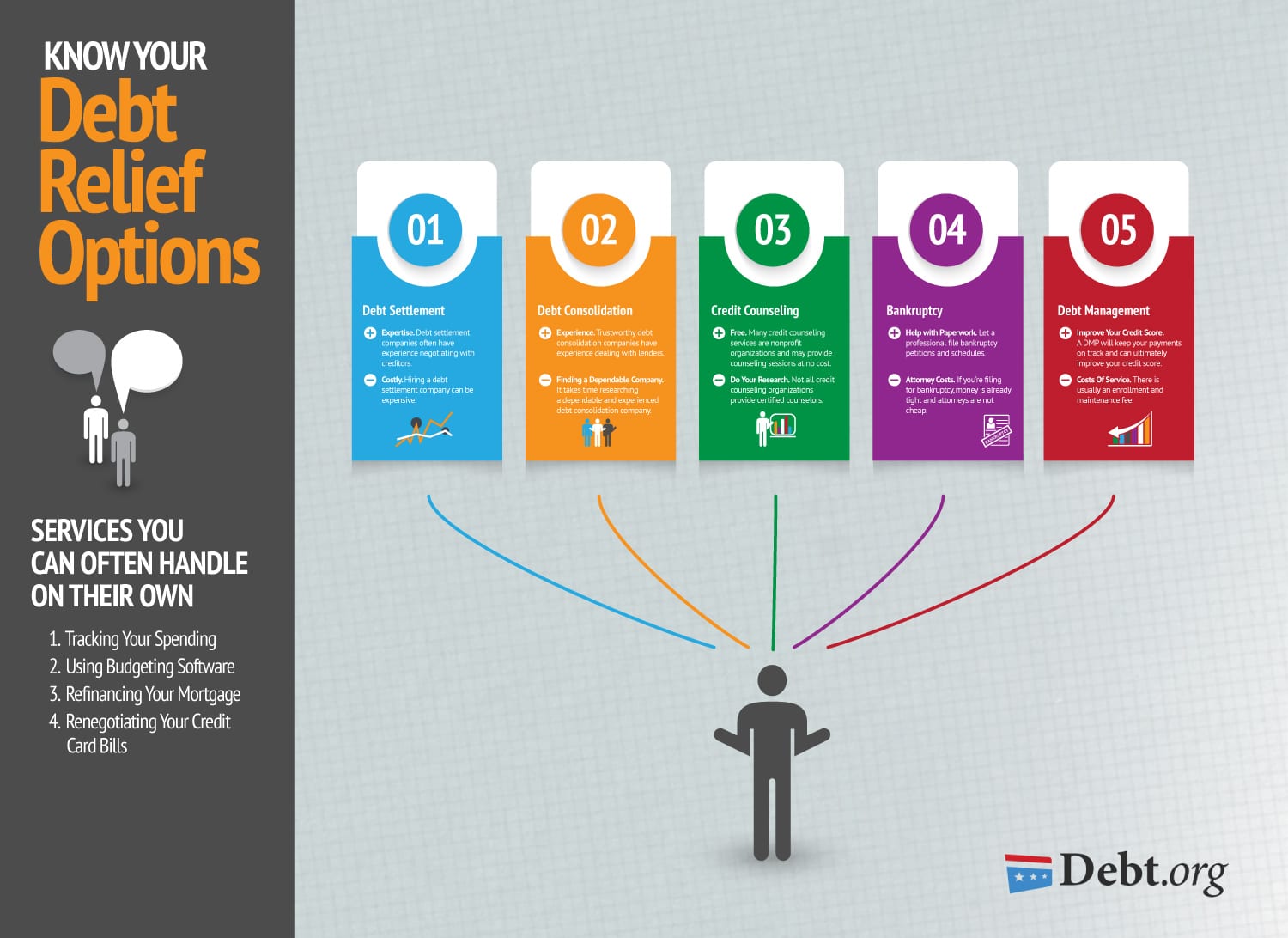
Image Source: debt.org
Debt relief programs have become increasingly popular in recent years as more and more individuals find themselves drowning in debt. These programs can be a lifeline for those who are struggling to make ends meet and are looking for a way out of their financial crisis. While debt relief programs can provide much-needed relief, it’s essential to do thorough research and choose a reputable program to ensure that you are getting the best possible outcome for your unique situation.
Solution for Debt Relief Programs
When considering debt relief programs, it’s crucial to assess your financial situation and determine which option is best for you. Debt consolidation may be a good choice if you have multiple debts with high-interest rates, as it allows you to combine all your debts into one monthly payment at a lower interest rate. Debt settlement, on the other hand, may be a viable option if you have a large amount of debt that you are unable to pay in full. Bankruptcy should be considered as a last resort, as it can have long-lasting effects on your credit score and financial future. Ultimately, the best debt relief program for you will depend on your specific financial circumstances and goals.
Information on Debt Relief Programs
Before enrolling in a debt relief program, it’s essential to gather as much information as possible about the program and the company offering it. Research the reputation of the company, read reviews from past clients, and ask for references. It’s also important to understand the fees associated with the program and make sure that you are comfortable with the terms and conditions before signing any agreements. By doing your due diligence and being informed, you can make the best decision for your financial future and start on the path to debt-free living.
Conclusion
Debt relief programs can be a valuable tool for individuals who are struggling with debt and looking for a way out. By understanding the different options available and choosing the right program for your financial situation, you can take control of your debt and work towards a brighter financial future. Remember to do your research, ask questions, and make an informed decision before enrolling in any debt relief program. With determination and perseverance, you can achieve financial freedom and live a debt-free life.
FAQs about Debt Relief Programs
1. Are debt relief programs a scam?
No, not all debt relief programs are scams. It’s essential to do your research and choose a reputable program with a proven track record of success.
2. Will enrolling in a debt relief program hurt my credit score?
Enrolling in a debt relief program may have a negative impact on your credit score, as it typically involves negotiating with creditors to reduce the total amount owed. However, the long-term benefits of getting out of debt may outweigh the short-term impact on your credit score.
3. How long does it take to complete a debt relief program?
The length of time it takes to complete a debt relief program will vary depending on the amount of debt owed and the program chosen. Some programs may take a few months to complete, while others may take several years.
4. Can I negotiate with my creditors on my own instead of using a debt relief program?
It is possible to negotiate with creditors on your own, but it can be challenging and time-consuming. Debt relief programs have experience negotiating with creditors and may be able to achieve better results on your behalf.
5. Are there any alternatives to debt relief programs?
Yes, there are alternatives to debt relief programs, such as budgeting, debt snowball method, or seeking financial counseling. It’s essential to explore all options and choose the best solution for your financial situation.
Debt relief programs are designed to help individuals who are struggling with overwhelming debt. These programs offer various solutions to help individuals reduce or eliminate their debt, and ultimately achieve financial freedom.
debt relief programs, debt consolidation, debt settlement, bankruptcy, financial freedom, debt-free living
Debt relief programs